
Selecting the right learning and care environment for your child is a decision that affects far more than daily schedules. These early choices influence emotional development, confidence, academic readiness, and social skills. With so many options available, it’s easy to feel unsure about what truly matters and what simply sounds impressive.
This guide walks you through the most important considerations step by step, helping you evaluate programs based on your child’s unique needs, your family’s priorities, and the long-term outcomes you value most. Instead of relying on labels alone, you’ll learn how to identify quality, consistency, and genuine developmental support.
Start With Your Child’s Personality and Daily Needs
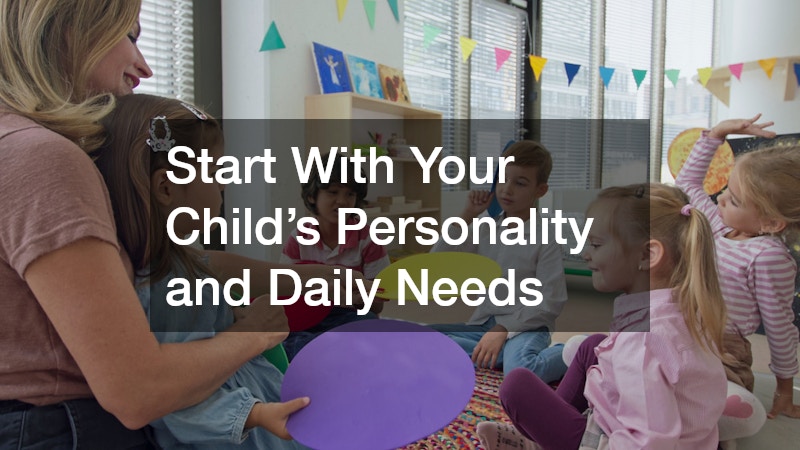
Every child responds differently to structure, stimulation, and social interaction. Before comparing programs, take time to understand how your child handles transitions, group settings, and new routines. These insights will help you determine whether a daycare environment is appropriate for your family.
During tours, observe how caregivers interact with children who need reassurance versus those who seek independence. Ask how the program manages naps, meals, and emotional regulation throughout the day. The right environment should feel calm, responsive, and adaptable rather than chaotic or overly rigid.
Examine How Learning Is Integrated Into Play
Early education should feel engaging, not pressured. When exploring options, look closely at how learning goals are delivered and whether children are encouraged to explore ideas through hands-on experiences. A high-quality preschool integrates foundational skills into play-based activities that spark curiosity.
Ask how teachers introduce early literacy, math concepts, and problem-solving. Are lessons flexible enough to follow children’s interests? Programs that blend guided instruction with free exploration help children develop confidence and a genuine love of learning.
Look for Independence-Focused Classroom Design
Some educational philosophies emphasize self-direction and responsibility from an early age. Programs modeled after the best montessori preschools often focus on child-led activities, thoughtfully prepared environments, and uninterrupted work periods.
During a visit, notice whether children are choosing tasks independently and staying engaged without constant adult direction. Ask how teachers guide learning while allowing children to make decisions. This type of environment can foster focus, independence, and intrinsic motivation when implemented well.

Think Beyond Reputation When Evaluating Academic Options
Academic prestige alone doesn’t guarantee a supportive experience for every child. When considering private schools, it’s important to evaluate how the institution balances academic rigor with emotional well-being and individualized instruction.
Ask about class sizes, teaching methods, and how the school supports students who learn at different paces. A strong program challenges students while providing mentorship, clear communication with families, and a culture that values growth over perfection.
Support Self-Expression Through Creative Learning
For children who naturally gravitate toward performance and artistic expression, specialized creative environments can be incredibly impactful. Programs like performing arts schools help children develop confidence, discipline, and collaboration skills through structured creative outlets.
When evaluating these programs, ask how instructors manage performance anxiety and whether progress is measured through personal growth rather than comparison. The most effective creative environments celebrate effort, creativity, and teamwork alongside technical skill.
Choose Seasonal Programs That Balance Structure and Fun
Out-of-school months present unique and valuable opportunities for growth, exploration, and skill-building that may not fit into the regular school year. A thoughtfully designed summer camp experience, or other seasonal program, can offer children a safe and engaging environment where they can develop new interests, refine existing skills, and build social connections. The best programs strike a careful balance between structured activities and free time, ensuring that children are neither bored nor overwhelmed. This balance is essential, as over-scheduling can lead to fatigue or frustration, while too little structure can result in missed opportunities for learning and growth.
When evaluating programs, ask detailed questions about how the day is organized. Are children able to choose from a variety of activities, or is the schedule tightly regimented? Look for programs that offer a mix of physical challenges, creative projects, team-based problem-solving, and quiet reflection or rest periods. Flexibility is key; children should have the opportunity to explore their interests and pace themselves according to energy levels and engagement. Programs that integrate arts, outdoor exploration, STEM activities, and cooperative games provide diverse learning opportunities while keeping days dynamic and engaging.
Social development is another important consideration. Seasonal programs allow children to interact with peers in new settings, practicing teamwork, empathy, and conflict resolution in ways that complement academic learning. Counselors and instructors who provide supportive guidance without dominating play help children build confidence, independence, and social skills. Programs that intentionally incorporate downtime, reflection, and unstructured play also promote mental and emotional well-being, giving children a chance to recharge and process experiences.
Ultimately, seasonal programs that combine structure, enrichment, and fun create a holistic environment where children can grow physically, intellectually, and socially. By prioritizing programs that thoughtfully balance organized learning with opportunities for exploration, families ensure that children return to school or daily routines refreshed, motivated, and with new skills and interests that last well beyond the season.
Reinforce Values Through Community-Based Learning
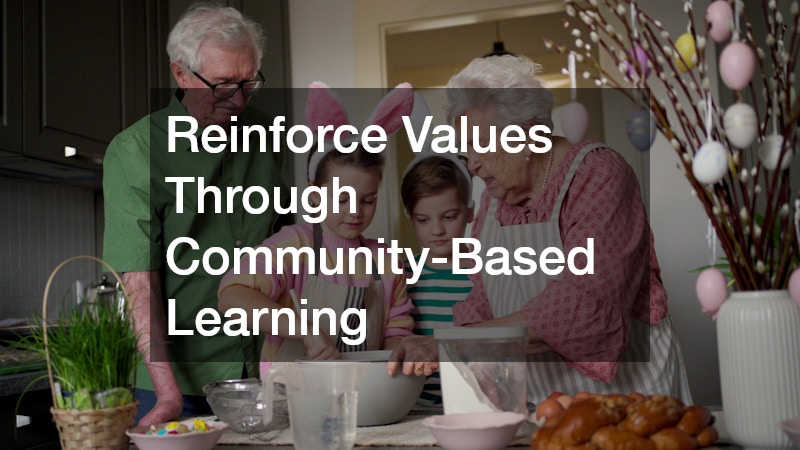
For families who prioritize moral development and faith-based instruction, community programs can play a significant role in shaping character and social awareness. One such program, sunday school for kids, offers structured opportunities for children to learn about values, ethics, and empathy in a supportive and age-appropriate setting. These programs go beyond simple instruction; they provide a space for children to practice kindness, cooperation, and responsibility while feeling part of a larger community.
When evaluating these programs, ask how lessons are delivered and how children are encouraged to actively participate. Programs that rely solely on lectures may not hold the attention of young learners or foster deep understanding. Look for interactive approaches, such as storytelling, role-playing, group discussions, and service-oriented activities. These experiences help children connect lessons to real-life actions and understand the impact of their choices on others.
Consider how the program reinforces consistency in values both in the classroom and through activities outside of structured lessons. For example, community service projects or collaborative creative work help children experience empathy, generosity, and teamwork in practical ways. A strong program also encourages reflection, allowing children to discuss what they’ve learned, ask questions, and apply moral lessons to everyday situations.
Additionally, observe how instructors model behavior. Teachers and leaders who demonstrate patience, respect, and empathy provide a live example for children to emulate. Programs that intentionally cultivate a sense of belonging, mutual respect, and shared responsibility create an environment where children not only learn values but also begin to internalize them. By choosing programs that emphasize interactive, community-focused learning, families can help their children develop strong character foundations that will guide them well into adolescence and beyond.
Match Activities to Developmental Readiness
Young children benefit most from experiences carefully tailored to their developmental stage. At this age, learning happens primarily through exploration, sensory experiences, and hands-on interaction rather than formal instruction. Programs offering activities for young children should focus on nurturing core developmental skills, including fine and gross motor abilities, early communication, problem-solving, and social-emotional awareness. Play is not just recreation; it is a critical vehicle for learning, allowing children to experiment, make decisions, and develop confidence in a safe environment.
When evaluating programs, ask how daily activities are adapted for varying abilities, interests, and attention spans. Children grow at different rates, and a one-size-fits-all approach can lead to frustration or boredom. High-quality programs provide options for children to explore at their own pace while offering gentle guidance to challenge their skills without overwhelming them. Look for flexibility in schedules, choice in materials, and opportunities for open-ended play, as these approaches foster creativity, independence, and problem-solving.
Additionally, observe how social interactions are structured. Peer engagement helps children develop communication, cooperation, and conflict-resolution skills, which are just as important as academic milestones at this stage. Avoid programs that push children toward rigid outcomes before they are ready, as this can stifle curiosity and lead to negative associations with learning. Instead, programs that prioritize developmental readiness cultivate enthusiasm, confidence, and a lifelong love of learning. By matching activities to each child’s growth, you ensure that every experience contributes meaningfully to their cognitive, emotional, and social development.
Prepare for Academic and Emotional Transitions
As children grow, transitions become increasingly complex, and the shift from early childhood programs to elementary school represents one of the most significant changes in their educational journey. This stage introduces new academic expectations, more structured schedules, and social dynamics that require children to navigate friendships, teamwork, and conflict resolution. A strong elementary school environment recognizes that success at this level is not just about grades or test scores; it’s equally about supporting emotional growth, independence, and social responsibility.
When evaluating programs, ask how teachers support students during these transitions. How do they help children adjust to new expectations, manage homework and classroom responsibilities, and develop problem-solving strategies? Understanding the support systems in place for children who struggle academically or socially is crucial. Programs that integrate guidance lessons, mentoring, and opportunities for reflection help students develop resilience and self-confidence.
Healthy peer relationships are another key factor. Ask about the school’s approach to teaching collaboration, empathy, and conflict resolution. Programs that emphasize communication, clear routines, and consistent behavioral expectations create a secure environment where children feel safe experimenting, making mistakes, and learning from them.
Additionally, consider how the school engages families during transitions. Open communication between teachers and parents ensures that children’s needs are monitored and addressed promptly. A school that actively partners with families fosters stability and continuity, helping children thrive academically and emotionally. By prioritizing both learning and social-emotional development, you set the stage for a confident, capable, and resilient learner ready to meet new challenges with enthusiasm.

Compare Quality Indicators Across Care Options
When narrowing down options, practical details matter. High-quality child care programs prioritize safety, clear communication, and well-trained staff who understand child development. These foundational elements create an environment where children feel secure and supported, allowing learning and social growth to happen naturally rather than through constant correction or control.
Start by evaluating safety protocols and cleanliness standards. Ask how facilities handle drop-off and pick-up, manage allergies or medical needs, and respond to emergencies. Consistent routines and clearly documented policies show that a program takes responsibility seriously. Next, look closely at staffing practices. Ask about caregiver training, certifications, and ongoing professional development. Well-supported staff members are more likely to be engaged, patient, and attentive with children.
Staff turnover is another critical indicator. Frequent changes can disrupt children’s sense of stability and trust, while long-term staff often signal a positive work environment. Ask how long caregivers typically stay and what the program does to retain them. Communication also plays a major role in overall quality. Find out how families receive updates, daily reports, digital apps, scheduled conferences, or informal conversations at pickup.
Transparency and consistency are strong indicators of a program’s reliability. When caregivers openly share challenges, progress, and observations, it builds trust and collaboration. A supportive partnership between caregivers and parents creates a more stable experience for children, ensuring everyone is working together toward the same developmental goals.
Choosing the right environment for your child is not about selecting the most popular option; it’s about finding a program that aligns with your child’s needs, your family’s values, and your long-term goals. Every child develops at a different pace, and what works beautifully for one family may not be the best fit for another. Taking the time to reflect on what truly matters to you, whether that’s flexibility, academic readiness, emotional support, or values-based learning, creates a clearer framework for decision-making.
By focusing on quality interactions, thoughtful structure, and developmental support, you can move beyond surface-level features and marketing language. Pay close attention to how adults speak to children, how conflicts are handled, and how learning moments are woven into everyday routines. These small, consistent interactions often have a greater impact on your child’s growth than curriculum labels or impressive facilities. A nurturing environment should feel welcoming, predictable, and responsive to individual needs.
With careful observation and the right questions, you’ll be well equipped to choose programs that nurture curiosity, resilience, and a lifelong love of learning. Trust your instincts during visits; if something feels off, it’s worth exploring further. Likewise, when a program feels like a genuine partnership rather than a transaction, that’s often a strong indicator of quality. Ultimately, the goal is to place your child in an environment where they feel safe, valued, and excited to grow each day, setting a strong foundation for both academic success and personal confidence.