
Staying organized as a family is no longer just about keeping a calendar on the fridge or setting reminders on a phone. Modern families juggle a wide range of responsibilities that extend far beyond basic schedules, including health appointments, home maintenance, school obligations, and social activities that help everyone recharge. Without intentional systems in place, it is easy for these responsibilities to collide, creating stress that affects both parents and children. Organization is not about perfection, but about creating reliable structures that reduce mental overload and allow families to move through their days with confidence.
One of the biggest challenges families face is that different areas of life often demand attention at the same time. Health needs rarely align neatly with school schedules, home comfort issues tend to arise unexpectedly, and entertainment or social opportunities often compete with obligations. When families attempt to manage everything reactively, they can feel constantly behind. Organization helps shift families from reaction mode into planning mode, where priorities are clear and decisions are made with intention rather than urgency.
This guide explores how families can stay organized while balancing health, home comfort, and entertainment. By breaking life into manageable categories and addressing each with thoughtful strategies, families can create routines that support stability without sacrificing enjoyment. With clear communication, shared responsibility, and flexible planning, organization becomes a tool for reducing stress and strengthening family connections rather than another task to manage.
Coordinating Wellness Needs Without Disrupting Family Routines
Health is a foundational part of family life, yet it often feels like one of the hardest areas to organize. Appointments, follow-ups, and recovery time can disrupt even the most carefully planned schedules. Families who approach wellness planning proactively are better equipped to integrate care into daily routines without constant disruption. This begins with acknowledging that health care is not an occasional task, but an ongoing responsibility that deserves space in the family calendar.
One effective strategy is grouping health-related commitments in predictable ways. Whether scheduling annual checkups or wellness services such as iv therapy, planning these appointments in advance helps reduce last-minute conflicts. When health care becomes part of a routine rather than an interruption, families experience less stress and fewer scheduling surprises. Predictability also helps children feel more comfortable with medical environments, as they know what to expect and when.
Communication plays a critical role in a wellness organization. Families benefit from discussing upcoming appointments openly and explaining their purpose in age-appropriate ways. This transparency builds cooperation and reduces resistance. Over time, coordinated wellness planning supports physical health while reinforcing a sense of structure that benefits the entire household.
Creating Consistent Education Schedules for Young Children
Early childhood education introduces new layers of scheduling and organization for families. Drop-off times, pick-ups, special events, and daily routines all require coordination to prevent stress. Families who establish consistent systems around early education often find that mornings run more smoothly and transitions become easier for everyone involved.
Choosing the right educational environment is a key part of this process. Exploring options such as preschools requires careful consideration of location, schedule, and philosophy. When these factors align with family routines, daily logistics become more manageable. Consistency in attendance and routines helps children feel secure, which in turn reduces emotional stress at home.
Organization also involves preparing for the unexpected. Backup plans for illness, closures, or schedule changes provide peace of mind. Families who plan ahead for these possibilities experience fewer disruptions and maintain a sense of control. By treating early education as a central component of family organization, households create a strong foundation for long-term balance.
Supporting Dental Health as Part of Family Organization
Dental care is often overlooked in discussions about family organization, yet it plays a significant role in overall health and comfort. Appointments, procedures, and recovery periods all require coordination, especially when multiple family members are involved. Families who plan dental care proactively reduce stress and avoid last-minute scheduling conflicts.
Long-term dental needs, such as restorative dentistry, benefit from early planning and clear communication. Scheduling consultations and follow-up visits well in advance allows families to integrate care into existing routines. This approach minimizes disruption and helps children understand that dental health is a normal part of self-care.
Organization also extends to daily habits. Establishing consistent routines around oral hygiene reinforces responsibility and reduces the likelihood of future complications. Over time, coordinated dental care supports both physical comfort and emotional well-being, contributing to a more organized and confident household.
Managing Financial Planning and Educational Support

Financial organization is a critical yet often stressful aspect of family life. When finances are handled reactively, stress can spill into other areas such as health and home comfort. Families who approach financial planning with structure and transparency create stability that supports the overall organization.
Educational finances, in particular, require thoughtful planning. Understanding options such as a school tax credit allows families to make informed decisions that align with their values and long-term goals. Discussing these topics openly helps demystify finances and encourages responsible decision-making.
Financial organization also supports emotional balance. When families have systems in place for budgeting, saving, and planning, they experience less anxiety and more confidence. This stability frees up mental space for focusing on wellness, home comfort, and enjoyable experiences together.
Organizing Family Entertainment and Social Outings
Entertainment plays an important role in family life by providing opportunities for relaxation and connection. However, without planning, social activities can become overwhelming or conflict with responsibilities. Organization helps families enjoy entertainment without sacrificing stability.
Planning outings in advance is key. Whether attending a performance at a concert venue or exploring local attractions, scheduling entertainment intentionally prevents last-minute stress. Families who plan ahead can coordinate transportation, meals, and rest time more effectively.
Balance is essential when organizing entertainment. Families benefit from choosing activities that align with energy levels and schedules. By setting realistic expectations and prioritizing quality over quantity, social outings enhance family life rather than adding pressure.
Preparing for Life Transitions and Emotional Events

Life inevitably includes transitions and emotionally significant events that require thoughtful organization. Families who prepare for these moments are better equipped to support one another without becoming overwhelmed. The organization provides structure during times that might otherwise feel chaotic.
Events such as a memorial service require emotional readiness as well as logistical planning. Coordinating schedules, travel, and responsibilities in advance allows families to focus on supporting one another rather than managing details under stress.
Open communication is especially important during these times. Families who discuss expectations and responsibilities openly create an environment of understanding and empathy. Organization during emotional transitions reinforces stability and helps families navigate difficult moments together.
Supporting Older Children Through Academic Transitions
As children grow, educational transitions introduce new organizational challenges. Increased academic demands, extracurricular activities, and social commitments require careful coordination. Families who plan ahead are better positioned to support their children without constant conflict.
Exploring options such as private middle schools often involves evaluating schedules, expectations, and long-term goals. When these choices align with family values and routines, daily life becomes more manageable. Clear communication about responsibilities helps children develop independence while maintaining structure.
Organization during these transitions also teaches valuable life skills. Children learn time management, accountability, and planning by observing and participating in family systems. These lessons support long-term success both academically and personally.
Integrating Physical Recovery and Rehabilitation Into Daily Life
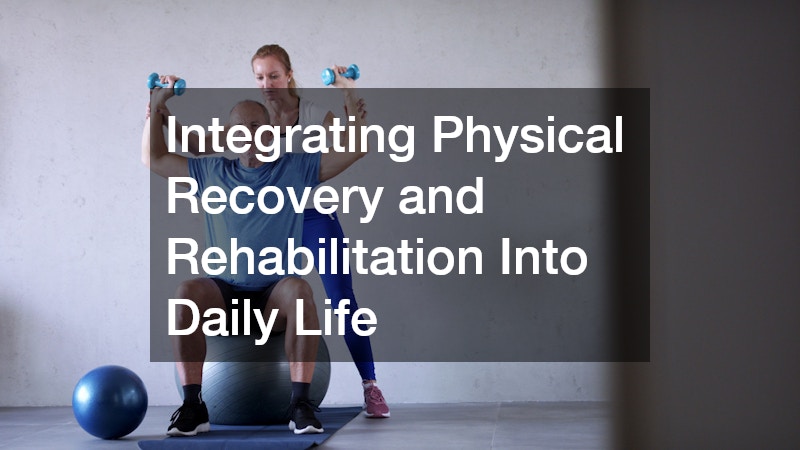
Injuries or physical challenges can disrupt family routines if not managed thoughtfully. Recovery requires time, consistency, and coordination, all of which benefit from organized planning. Families who approach rehabilitation proactively reduce stress and support healing.
Scheduling appointments for local physical therapy rehab in advance helps integrate recovery into daily routines. Consistency in attendance and follow-through supports progress while minimizing disruptions. When recovery is treated as a shared priority, families are more likely to maintain routines.
Supportive communication is also essential. Encouraging patience and understanding during recovery fosters a positive environment. Over time, organized rehabilitation planning helps families adapt while maintaining balance and comfort at home.
Planning Everyday Leisure and Exploration
Leisure does not always have to involve major outings or events. Simple exploration and shared activities can be just as meaningful when planned intentionally. Families who organize leisure time create opportunities for connection without overwhelming schedules.
Researching things to do near me allows families to identify activities that fit their time and energy levels. Local outings often require less planning and provide flexibility, making them ideal for busy households. Advance planning ensures these activities enhance rather than disrupt routines.
Consistency is key to enjoying leisure. Families who establish regular times for shared activities build anticipation and reduce decision fatigue. Organized leisure planning supports relaxation and strengthens family bonds
Managing Pet Care as Part of Household Organization
Pets are an important part of many families, but their care requires coordination to avoid added stress. Feeding schedules, grooming, and health needs all benefit from organization and shared responsibility.
Planning services such as animal grooming in advance helps families integrate pet care into their routines. Predictable schedules reduce last-minute scrambling and support pet comfort. Assigning responsibilities among family members builds accountability and teamwork.
Organized pet care also contributes to home comfort. Clean, well-cared-for pets create a healthier environment for everyone. Over time, thoughtful planning ensures pets enhance family life rather than complicate it.
Beyond routine care, organized pet management also helps families respond calmly when schedules change or unexpected needs arise. Travel plans, school events, and seasonal activities can all affect how pet care fits into daily life. Families who plan ahead by maintaining written schedules, shared reminders, and clear contingency plans experience far less stress when adjustments are necessary. This may include designating backup caregivers, coordinating feeding and exercise routines, or setting aside specific times each week to review upcoming needs. When pet care is treated as a predictable part of household operations rather than a reactive task, it becomes easier to maintain consistency even during busy periods. Children also benefit from this structure, as it reinforces responsibility and empathy while teaching practical life skills. Over time, well-organized pet care contributes to a calmer household environment, reducing tension and helping families stay focused on health, comfort, and enjoyment rather than last-minute problem-solving.
Staying organized as a family is not about rigid schedules or eliminating spontaneity. It is about creating systems that support health, comfort, and enjoyment without constant stress. When families approach organization intentionally, daily life becomes more manageable and fulfilling.
Clear communication, shared responsibility, and proactive planning are the foundation of a successful family organization. These practices reduce overwhelm and create space for meaningful connection. Over time, an organization becomes a source of stability rather than pressure.
Ultimately, organized families are better equipped to adapt to change and enjoy life together. By aligning routines with values and priorities, families create environments where everyone can thrive while managing health, home comfort, and entertainment with confidence.
Organization is ultimately about creating a family environment where responsibilities feel manageable and life feels intentional rather than rushed. When systems are thoughtfully designed and consistently revisited, families gain the ability to respond to challenges with confidence instead of frustration. This sense of control supports emotional well-being and strengthens relationships, allowing family members to show up for one another with patience and clarity. Organized households are not free from disruption, but they are better prepared to handle change without losing balance. By prioritizing communication, flexibility, and shared responsibility, families create sustainable routines that evolve alongside their needs. Over time, these habits build trust, resilience, and a stronger sense of connection, making it easier to enjoy both everyday moments and special experiences together.