
Key Takeaways
- Kid-friendly spaces need durable, washable materials like performance fabrics, slipcovers, and semi-gloss paint that can handle daily wear without constant replacement
- Thrift stores, garage sales, and online marketplaces offer solid wood furniture at a fraction of retail prices, making them goldmines for parents on tight budgets
- Vertical storage using wall-mounted shelves, pegboards, and over-door organizers frees up floor space for play while keeping clutter contained
- Removable wallpaper, peel-and-stick decals, and chalkboard paint let kids express creativity without permanent damage to walls
- Multi-functional furniture like storage ottomans, loft beds, and convertible tables stretches limited square footage and grows with your children
- Soft rugs with low pile and washable covers protect floors while creating cozy zones for reading, play, and quiet time
- Involving kids in simple DIY projects teaches ownership and keeps them more invested in treating shared spaces with care
Why Decorating Around Kids Feels So Hard
If you have ever tried to make your home look nice while small humans tornado through it daily, you already know the struggle. One minute the couch looks magazine-worthy. The next, it has juice stains, crayon marks, and a mystery sticker stuck to the cushion. Styling a home that works for an active family often feels like you have to choose between beauty and reality.
But here is the thing. You do not have to pick one or the other. You also do not need a huge budget or a background in interior design. What you need is a plan that accounts for running feet, sticky fingers, and the fact that your kids will climb the furniture no matter how many times you tell them not to.
This guide starts from the very basics. If you have never thought about design in your life, that is perfectly fine. We will walk through everything in plain language, one step at a time, so you can build a space that looks great, holds up to daily chaos, and does not drain your bank account.
What Does “Kid-Friendly” Really Mean in a Home?
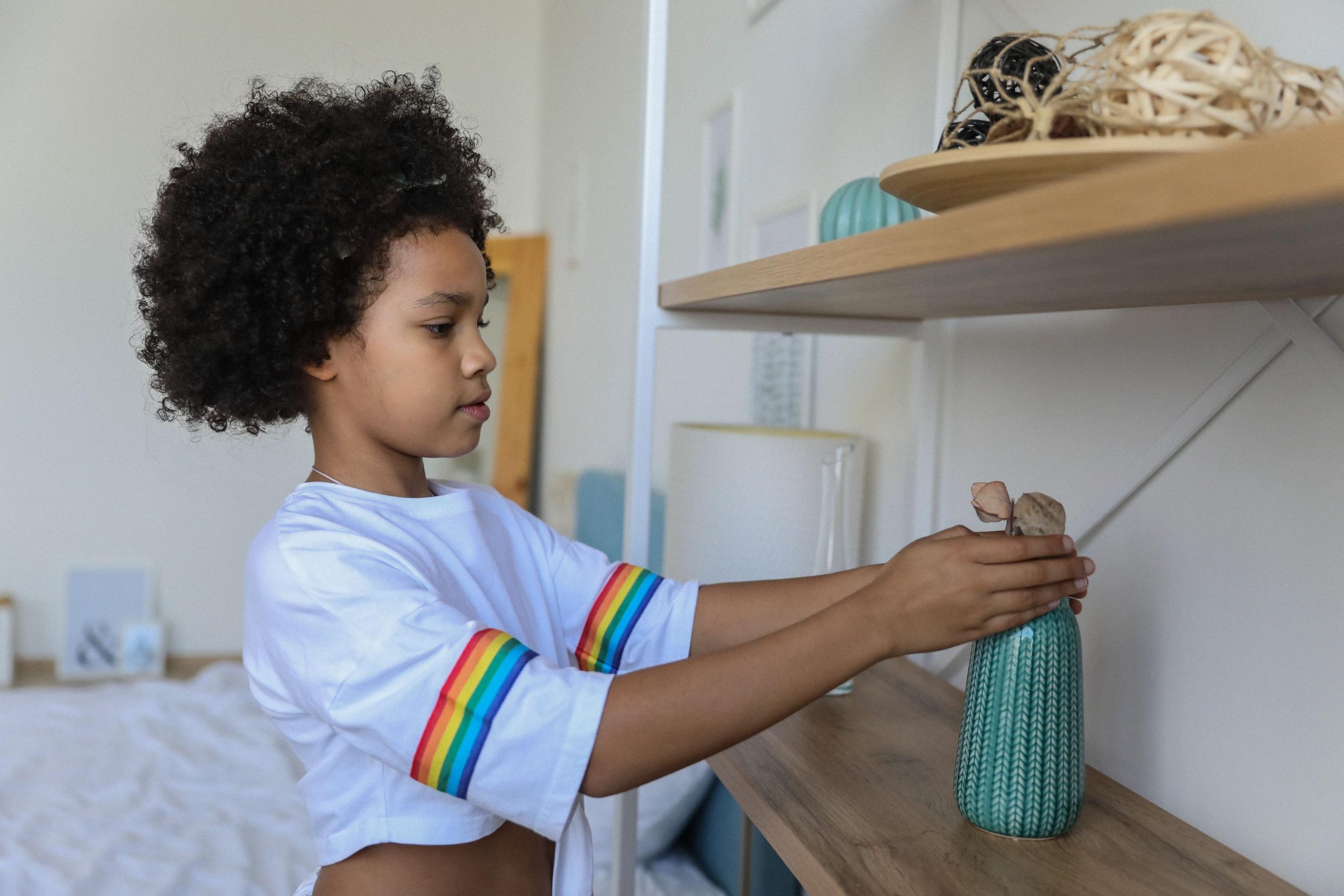
Before you buy a single throw pillow, it helps to understand what makes a space genuinely kid-friendly. A lot of people assume it means primary colors everywhere, cartoon characters on the walls, and plastic bins stacked to the ceiling. That is one approach, but it is not the only one. In fact, you can design a sophisticated, grown-up-looking space that still works beautifully for children.
At its core, kid-friendly design means three things. First, durability. The materials you choose need to survive spills, scrapes, and energetic play. Second, safety. Sharp corners, tippy furniture, and small choking hazards have no place in a room where little ones roam. Third, accessibility. Kids should be able to reach their stuff, put things away, and feel like the space belongs to them too.
The Mindset Shift That Changes Everything
Instead of trying to protect your house from your kids, flip the script. Design the house to work with them. When you stop fighting the mess and start planning for it, decorating becomes a lot less stressful. You will make smarter purchases, feel less precious about wear and tear, and actually enjoy the space you worked hard to create.
Start With a Plan Before You Spend a Dime
The biggest mistake new parents make with decorating is buying stuff before they know what they need. You spot a cute shelf on sale, bring it home, and realize it does not fit anywhere. Or you grab a rug that looks adorable online but turns out to be a magnet for crumbs. A simple plan saves you from these expensive detours.
Grab a notebook and walk through each room. Write down what the room needs to do. The living room might need to be a play zone, a reading nook, and a space for movie nights. The bedroom might need to hold clothes, toys, and a cozy bed. Once you know the function, you can shape the form around it.
Here are a few questions that help clarify your priorities:
- What activities actually happen in this room every day?
- Where do the kids spend most of their time?
- What surfaces take the biggest beating?
- What storage problems make the room feel chaotic?
- What is the one thing that would make this space feel calmer?
Answering these before you shop is the single best money-saving move you can make.
Shopping Smart Without Breaking the Bank
Once you know what you need, the fun begins. There are so many ways to find quality pieces for less, and you do not have to settle for flimsy items that fall apart in a month. According to FirstChair, the average family puts about 8% of their disposable income toward decorating each year, which adds up fast when you are also paying for diapers, soccer cleats, and groceries. Stretching that budget matters.
Thrift stores and estate sales are treasure troves for solid wood furniture that costs a fraction of what you would pay new. Older pieces are often built better than modern big-box alternatives. A quick sand and a coat of paint can turn a tired dresser into a statement piece. Facebook Marketplace, OfferUp, and Craigslist are also worth checking weekly, especially for items parents outgrow quickly like changing tables and bookshelves.
Discount retailers like HomeGoods, Ross, and Marshalls rotate inventory constantly, so patience pays off. If you want something specific, keep an eye on seasonal clearance at major chains. End-of-summer sales often slash patio furniture prices, and many of those pieces work indoors too.
Budget Friendly Home Decor Ideas That Survive Rough Play
Let’s get into the meat of it. These budget friendly home decor ideas focus specifically on choices that hold up to busy households without looking cheap. The goal is to pick materials and layouts that forgive mistakes instead of punishing them.
Start with your fabrics. Performance fabrics used to be stiff and plasticky, but modern versions feel soft and come in dozens of colors. Look for terms like “crypton,” “sunbrella,” or “100% polyester” when shopping sofas and chairs. Slipcovers are another smart move because you can toss them in the washer when disaster strikes. Dark patterns hide stains better than solid pale colors, so keep that in mind when choosing.
Here are specific picks that punch above their price tag:
- Washable slipcovered sofas from IKEA or Target
- Indoor-outdoor rugs that hose off on the patio
- Faux leather ottomans that wipe clean with a cloth
- Semi-gloss or satin paint on walls instead of flat finish
- Microfiber bedding that resists stains
- Tempered glass or solid wood coffee tables with rounded edges
If you are renovating a space from scratch, browsing some fixer-upper cozy retreat ideas can give you a visual starting point for blending comfort with function.
How Do You Create Zones in a Shared Space?
Open floor plans and small apartments often mean one room has to serve several purposes. Creating visual zones helps the space feel organized without requiring walls. Zoning is basically a designer trick that uses rugs, furniture placement, and lighting to signal where one area ends and another begins.
A rug is the simplest zoning tool. Put one under the sofa and coffee table to anchor the living area. Put another in the corner to mark a reading nook or play space. Suddenly, one open room reads as three distinct zones even though nothing has physically changed about the layout.
Using Furniture as Dividers
Bookshelves, console tables, and even the back of a sofa can act as a soft wall. A low bookshelf facing the play area gives kids easy access to toys and books while blocking the clutter from the rest of the room. This trick works especially well in studio apartments or combined living-dining spaces. For more ideas on making small shared spaces work, check out this apartment decor guide for layouts that maximize every square foot.
Storage Solutions That Hide the Chaos
Toys multiply overnight. Art supplies spread like glitter. Shoes end up everywhere. The right storage keeps everything accessible for kids while preventing your living room from looking like a daycare at closing time.
The golden rule is this: if kids cannot reach it, they cannot put it away. Low baskets, open bins, and labeled cubbies make cleanup possible even for toddlers. Pair that with a few closed storage pieces up high for things you want hidden, like craft supplies or holiday items, and you have a system that actually works.
Try these storage moves:
- Storage ottomans that double as seating
- Under-bed rolling bins for seasonal clothes or bulky toys
- Over-the-door shoe organizers for small toys, art supplies, or hair accessories
- Cube shelves with fabric drawers labeled by category
- Wall-mounted pegboards in playrooms for dress-up clothes and backpacks
- Floating shelves placed high enough to be out of reach but low enough to decorate
Vertical space is often underused. Walls canhold shelves, hooks, pegs, and tall slim cabinets that take up almost no floor area. In a kid’s room, mounting shelves above the bed creates display space for stuffed animals without eating up play zones. In a hallway, a row of low hooks gives kids a place to hang backpacks and jackets the moment they walk in the door.
Walls That Let Kids Be Kids

Walls take a beating in any house with children. Scuffs from scooters, handprints at waist height, marker masterpieces on fresh paint. Instead of fighting it, build walls that can handle creative expression and clean up without a repaint.
Semi-gloss and satin finishes wipe down with a damp cloth, while flat paint absorbs stains like a sponge. If you are picking colors, mid-tone shades hide marks better than stark white or deep navy. Beige, warm gray, sage green, and dusty blue all photograph well and forgive sticky fingerprints.
Removable wallpaper has come a long way. Peel-and-stick panels from brands like Chasing Paper or Target’s in-house lines let you add bold patterns to one accent wall without commitment. When your kid outgrows the dinosaur pattern, you peel it off and start over. The same goes for wall decals, which stick to painted surfaces and lift off without residue.
A Dedicated Creative Surface
Give kids one spot where drawing on the wall is actually allowed. Chalkboard paint turns any section into a canvas. Magnetic primer underneath lets them stick up artwork without tape. A roll of butcher paper mounted on a wall-hung dispenser gives endless drawing space and tears off cleanly when a masterpiece is done.
These small moves channel the creative energy into one place instead of letting it spread across every surface in the house.
Multi-Functional Furniture That Grows With Them
Kids change fast. The crib becomes a toddler bed, then a twin, then a full. The play table hosts crafts, then homework, then science projects. Buying furniture that adapts saves you from replacing pieces every two years.
Convertible cribs are the obvious example, but the principle applies everywhere. A storage bench at the foot of the bed holds toys now and sweaters later. A loft bed frees up floor space for a desk underneath once homework becomes a real thing. A round table with sturdy legs works for puzzles at four and board games at ten.
Look for these flexible pieces when you shop:
- Adjustable-height tables and chairs
- Bunk beds that separate into two twins
- Dressers with removable changing-table toppers
- Nesting tables that spread out for parties and tuck in for daily use
- Ottomans with trays on top that flip between seating and surface
Spending a little more on one adaptable piece usually costs less over five years than cycling through three cheap ones.
Rugs, Pillows, and Soft Textures That Actually Hold Up
Soft surfaces make a room feel welcoming, but they also take the worst abuse. Juice spills, muddy socks, and the occasional pet accident all land here first. The trick is picking textiles that look soft but perform tough.
Low-pile rugs are the clear winner for busy households. Shag might feel luxurious underfoot, but it traps crumbs, Legos, and anything else small. Flatweave, jute, and polypropylene rugs vacuum easily and often rinse off outside with a hose. Patterns hide stains better than solids, and darker borders disguise edge wear from furniture legs.
For pillows and throws, removable covers are non-negotiable. Zippered covers go straight into the washing machine. Keep an extra set on hand so you always have clean ones ready when guests drop by unannounced. Stick to washable fills like polyester fiber rather than feather down, which clumps in the laundry.
Lighting That Feels Warm Without Costing a Fortune
Lighting makes or breaks the mood of a room, and it is one of the easiest things to upgrade on a small budget. Overhead fixtures from big-box stores have gotten better looking and cheaper over the past few years. Swapping a basic flush mount for a woven pendant or a simple drum shade instantly elevates a room.
Layer your light sources instead of relying on one bright overhead bulb. A reading lamp by the sofa, a small lamp on a side table, and a string of soft fairy lights along a shelf create a cozy glow without any single bulb working too hard. Warm-white LED bulbs in the 2700K range feel the most inviting and save money on electricity.
For kids’ rooms specifically, battery-operated sconces let you place light exactly where you want it without hiring an electrician. Nightlights built into outlet covers are pennies at the hardware store and help little ones feel safe without flooding the room with brightness.
Affordable Decorating Ideas Kids Can Help Create
Involving children in the process changes how they treat the finished space. When a kid helps paint a shelf or picks out the fabric for a cushion, they are far more likely to put things back where they belong. Small projects build pride and give them a sense of ownership over their room.
Easy projects to tackle together include:
- Painting an old picture frame to display their artwork
- Pressing leaves or flowers between books, then framing the results
- Stringing beads onto wire to make a wall hanging
- Mixing colors to custom-paint a wooden stool
- Potting small plants for a windowsill garden
- Decorating plain storage bins with stickers or stencils
None of these cost much, and the results carry meaning that store-bought pieces never will. Hanging a kid’s own creation on the wall often beats anything you could buy at a boutique.
Keeping Expectations Realistic
Projects with kids rarely turn out magazine-perfect, and that is part of the charm. Let go of the vision in your head and lean into the lopsided painting or the slightly crooked frame. Those imperfect pieces are the ones you will treasure most when the kids are grown.
Rotating and Refreshing Without Buying New
One of the sneakiest ways to keep a house feeling fresh is to rotate what you already own. Store half your throw pillows in a closet and swap them in a few months later. Move a lamp from the bedroom to the living room. Rearrange the art on your walls. The brain registers these changes as newness, even though you have not spent a cent.
Seasonal rotation works especially well with kids. Bring out a few holiday-themed books and pillows in December, then pack them away in January. Switch bedding from warm flannel in winter to crisp cotton in summer. These small shifts mark the passage of time and give kids something to look forward to. It is worth noting that, according to Perfect Imprints (citing Rocket Homes survey), families with children typically shell out roughly 70% more on home decorations than child-free households, with a median spend of $100 compared to $59, so stretching those dollars through rotation rather than fresh purchases really pays off.
Toys benefit from rotation too. Pack half the toy collection into a bin and store it in a closet. Six weeks later, swap it with what is currently out. Kids rediscover old favorites and the clutter level drops in half overnight.
Conclusion
Creating a space that handles active kids without draining your savings comes down to smart planning, forgiving materials, and a willingness to let the house evolve alongside your family. You do not need a designer, a renovation loan, or a Pinterest-perfect aesthetic to end up with rooms that feel good to live in. You just need to make choices that match how your family actually uses the space.
Start small. Pick one room, write down what it needs to do, and tackle a single project this weekend. Maybe that means hanging a pegboard, swapping a flat-finish wall for a wipeable satin, or hitting the thrift store for a solid wood dresser. Each small win builds momentum, and before long the whole house starts feeling more cohesive, more functional, and more like you.
The best homes with kids are not the ones that look untouched. They are the ones where the sofa shows signs of movie nights, the walls hold crayon masterpieces in frames, and every corner tells a story about the people who live there. Build for real life, plan for mess, and give yourself permission to enjoy the chaos. That is where the magic actually happens.