
Kids need noise. They also need quiet, even if they don’t ask for it. Between school, screens, siblings, and the general buzz of a household, little minds rarely get a real chance to slow down. Carving out a small retreat somewhere in your home can shift the whole energy of a day, giving your child a place to decompress, read, draw, or simply stare at the ceiling for a while.
The tricky part? Building a quiet spot that kids actually choose on their own. Plenty of parents have set up beautiful reading nooks only to watch them collect dust while the kids pile back onto the living room floor. The secret isn’t fancy furniture or Pinterest-worthy styling. It’s about understanding what makes a child feel safe, cozy, and in control of their own little world.
This walkthrough breaks the process into clear steps, from scouting the right spot in your home to stocking it with the kinds of touches that pull kids back again and again. You don’t need a spare room or a big budget. You just need a bit of planning and a willingness to see your space through your child’s eyes.
Start by Watching How Your Kids Already Use the House
Before you move a single pillow, spend a few days paying attention. Where does your child drift to when they need a break? Some kids curl up behind the couch. Others wedge themselves into a closet or under the dining table. These instinctive hideouts are gold, because they tell you exactly what your child finds calming.
Take notes on the time of day, too. A kid who wants quiet after school may need something different from one who likes to wind down before bed. Lighting matters, as does proximity to the rest of the family. Younger kids often want to be alone but still within earshot of a parent, while older children might prefer somewhere more tucked away.
Once you’ve gathered a bit of intel, pick a location that matches those patterns. A corner of their bedroom, the landing at the top of the stairs, a nook under a window, or even a slice of the living room can all work. You’re not looking for perfection. You’re looking for a spot your child is already drawn to.
What Makes a Quiet Corner Actually Feel Quiet?
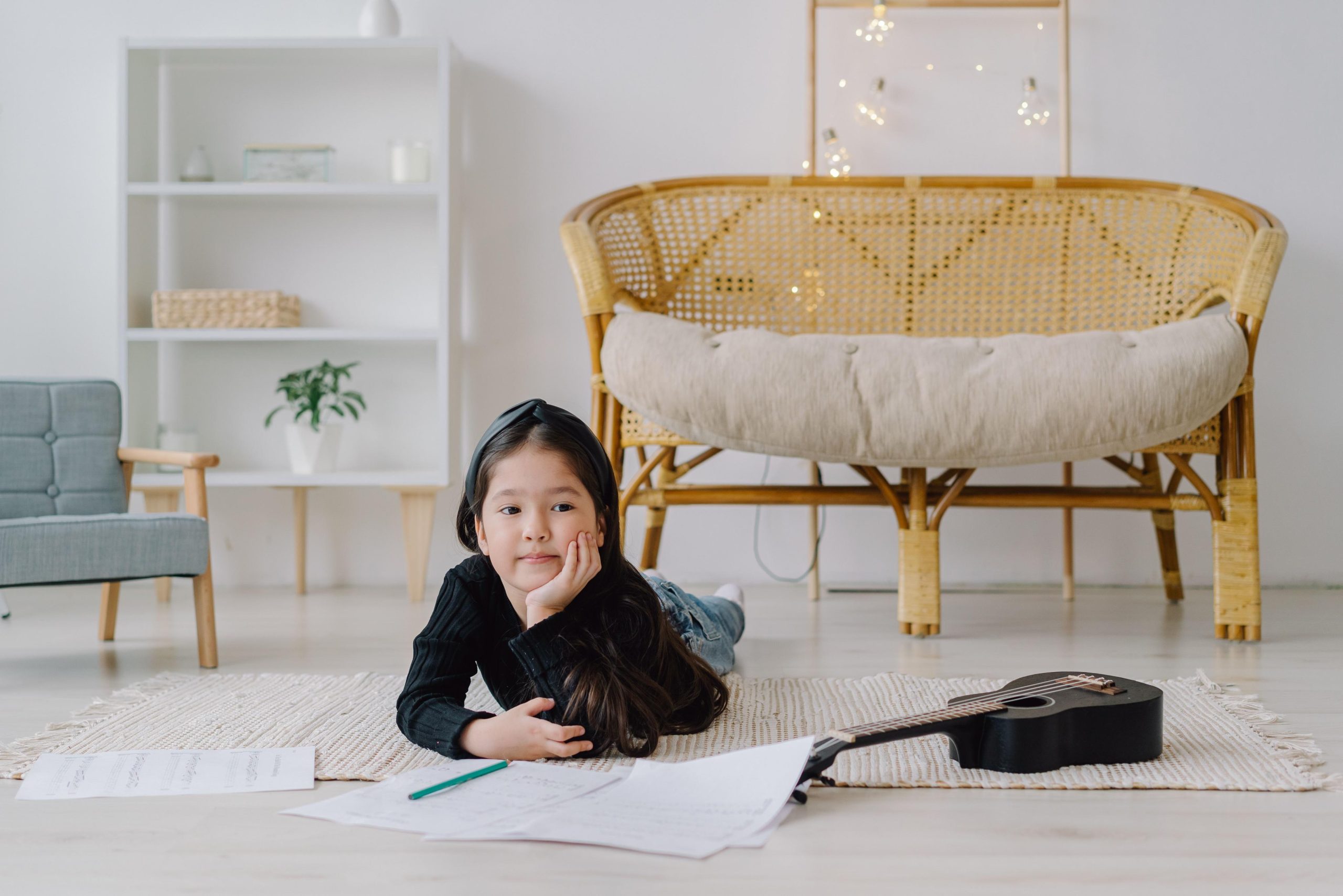
A quiet corner isn’t just visually calm. It needs to feel sensory-calm, too. That means thinking about sound, light, texture, and even smell. According to NPR, irregular noise can interfere with a child’s concentration and brain development, which makes the sound profile of this space genuinely important.
Soft materials absorb sound, so lean into textiles. A thick rug, a few floor cushions, a canopy or draped fabric overhead, and some wall art printed on canvas can all cut down on echo. If the corner sits near a noisy area like the kitchen or a sibling’s play zone, consider a small white noise machine or even a shelf of books acting as a buffer.
Here are a few quick ways to soften a space:
- Layer a plush rug over hard flooring
- Hang a lightweight canopy or sheer curtain to create a sense of enclosure
- Add two or three oversized cushions for flexible seating
- Use a warm-toned lamp instead of overhead lighting
- Keep a weighted blanket or chunky throw within reach
Lighting deserves special attention. Harsh overhead bulbs put kids on edge, while a soft lamp or string lights signal that this is a different kind of space. Think cozy, not bright.
Designing Welcoming Zones for the Whole Family
A quiet corner works best when it fits naturally into the rest of your home. If it feels like a separate, grown-up-designed project plopped into the middle of the chaos, kids will sense it and steer clear. The goal is to blend the nook into the overall flow of your Family-Friendly Spaces so it feels like a genuine part of daily life, not a staged display.
Make It Match Your Child’s Personality
A nature-loving kid might want leafy prints, a basket of pinecones, and a small plant they can care for. A kid obsessed with space could have a star-projector and a galaxy-print cushion. Let them weigh in. When children help choose even one or two elements, ownership kicks in and they’re far more likely to actually use the corner.
Keep the Rules Simple
Decide together what the corner is for. Reading, drawing, listening to music, resting. Then protect those boundaries. No homework battles here. No time-outs. This is a space associated only with calm, and that emotional consistency is what turns a cute nook into a true retreat.
Choose Furniture and Decor That Won’t Break the Bank
You don’t need to spend a fortune. In fact, some of the coziest kid corners are built almost entirely from what you already own. According to Rise Interiors, the average American household spends nearly $1,900 a year on home decor, so there’s real value in getting creative instead of defaulting to full-price purchases.
Shop your own house first. Pull a chair from the guest room, borrow a throw from the living room, and raid the linen closet for extra pillows. Then fill the gaps with secondhand finds or simple DIY touches. There are plenty of budget friendly home decor ideas that work beautifully in a child’s quiet space, from painted thrift-store crates used as book bins to a simple tension rod canopy made with a bedsheet.
Some wallet-friendly pieces worth hunting for:
- A small beanbag or floor pouf from a resale shop
- A low basket for stuffed animals or blankets
- Peel-and-stick wallpaper for one small accent wall
- Battery-operated fairy lights
- A wooden crate flipped on its side as a shelf
For families who want more inspiration on stretching a small budget across a whole home refresh, these practical decor ideas for active households are a solid starting point.
Stock It With Things That Invite Stillness
A beautiful corner with nothing to do in it won’t hold a child’s attention. You need a small, rotating collection of activities that encourage slowing down rather than ramping up. Avoid anything with screens, flashing lights, or loud sounds. Those belong somewhere else in the house.
According to National Geographic, teenagers who build the habit of quiet reflection actually experience greater brain growth than those who don’t, which is a strong case for introducing calm activities early. The habit starts small and compounds over years.
Think about including a mix like this:
- A small stack of favorite picture books or chapter books
- A sketchpad with colored pencils in a pouch
- A puzzle or two in a lidded box
- A handful of fidget items like putty or a smooth stone
- A soft stuffed animal or lovey
- A simple journal for older kids
Rotate the contents every couple of weeks. Novelty keeps the space feeling fresh, and swapping items in and out takes about five minutes. If something gets ignored for a while, pack it away and reintroduce it later.
How Do You Keep Kids Coming Back to the Corner?

Setting up the space is only half the work. The other half is helping your child build a relationship with it. Model the behavior you want to see. Sit in the corner yourself with a book for fifteen minutes. Invite your child to join you without any pressure. Keep the first visits short and pleasant.
This matters because attention spans in young children are genuinely limited. Childhood development experts shared via Selmar School note that children under five can typically focus for about fifteen minutes at a time, so expecting a preschooler to spend an hour reading solo is unrealistic. Short, consistent visits beat long, forced ones every time.
Finally, protect the corner from becoming a dumping ground. Toys migrate. Laundry appears. Within two weeks, a beautiful nook can turn into a chaotic pile if you’re not careful. A quick nightly reset, even just thirty seconds of tidying, keeps the space ready for whenever your child needs it next.
Conclusion
Building a calm retreat for your child doesn’t require a renovation or a big spending spree. It starts with watching how your kids already use your home, choosing a spot that feels natural, and layering in soft textures, warm light, and a thoughtful mix of quiet activities. The best corners are the ones shaped around a specific child, with input from them whenever possible.
Remember that the physical setup is only one piece. Consistency, gentle modeling, and protecting the space from becoming a storage zone are what turn a nice-looking nook into a true part of your family’s daily rhythm. Kids need somewhere to land when the world feels like too much, and you have the power to create that somewhere right in your own home.
Start small. Pick one corner this weekend, pull together what you already own, and see what happens. You might besurprised how quickly your child claims it as their own.