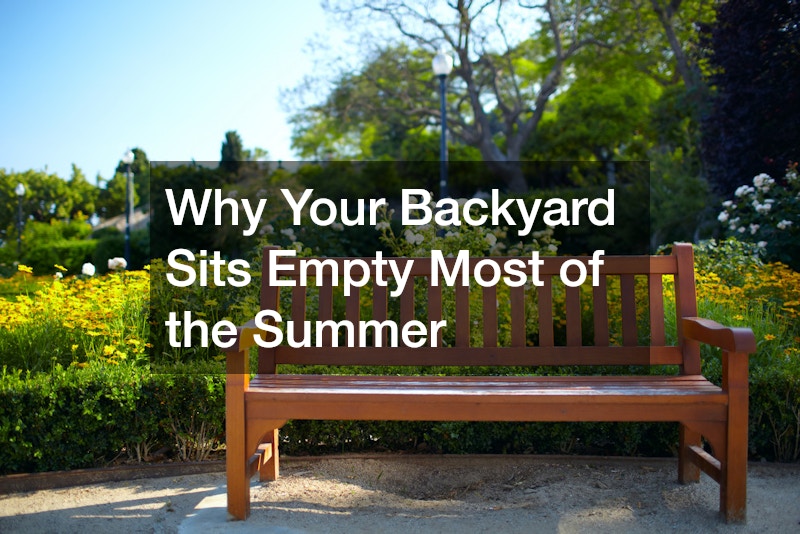

You finally got the deck stained, the grass green, and the patio furniture arranged just right, yet the backyard still sits empty most afternoons. Kids drift back inside within twenty minutes, family barbecues fizzle out early, and weekends pass without anyone touching the space you worked so hard to create. The problem usually isn’t your yard’s size or landscaping, it’s a handful of missing ingredients that make outdoor space genuinely usable and inviting. This article breaks down the real reasons backyards go unused all summer and what you can do about each one.
Your Family’s Schedule Leaves No Time for the Yard
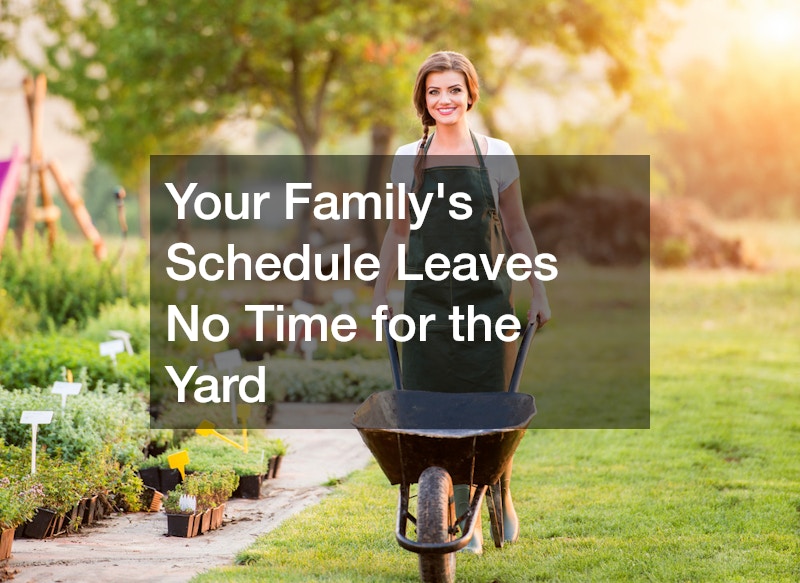
One of the most overlooked reasons a backyard sits idle is simply that everyone’s calendar is packed elsewhere. Between camps, practices, and errands, families often leave the house before the yard ever gets warm in the morning sun and return only after dinner when energy is gone. If your kids are enrolled in summer camps that run until late afternoon, the backyard becomes a place people walk past rather than linger in. Recognizing this pattern is the first step toward reclaiming a few deliberate hours each week for outdoor time.
- Map out your family’s weekly schedule to find realistic open windows for yard time
- Treat one evening a week as a standing outdoor commitment, similar to any other activity
- Coordinate with neighbors whose kids share similar camp or activity schedules
There Is No Shade Where People Actually Want to Sit
Sun exposure is one of the simplest and most common reasons people avoid their own backyards in July and August. If your patio faces west with no tree cover, sitting outside after 2 p.m. can feel unbearable, and most people will retreat indoors rather than sweat it out. A shade sail, pergola, or even a large market umbrella can change the entire feel of a space within a single afternoon. For bigger gatherings, many families look into tent rentals to create instant shaded seating for a birthday party or reunion without committing to a permanent structure.
Beyond comfort, shade also protects furniture, flooring, and skin from sun damage over the long season. A shaded seating area tends to become the default hangout spot, pulling activity outside rather than leaving the yard as an afterthought. Even a modest investment in shade changes how often people choose to eat, read, or work outside.
The Water Feature or Pool Situation Is Unfinished or Outdated
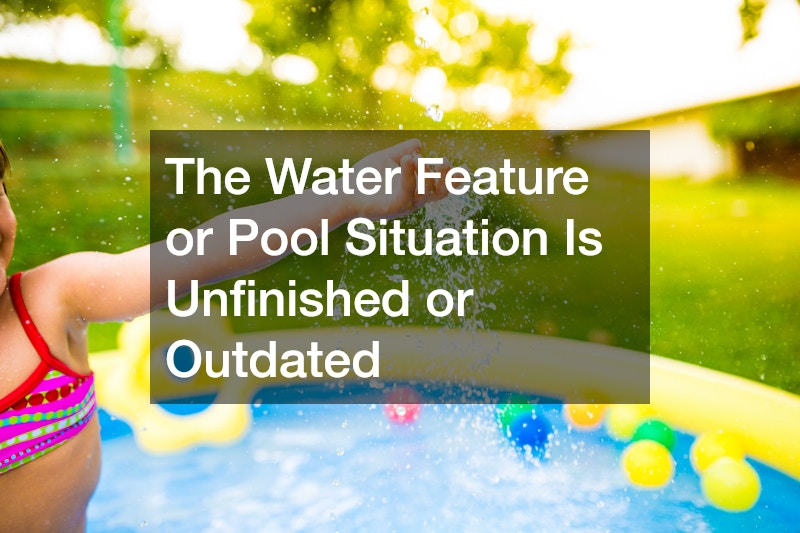
A half-finished pool project or an aging above-ground pool that nobody wants to maintain can quietly kill backyard enthusiasm all summer long. If the water looks cloudy, the liner is cracked, or the pump is loud and unreliable, people will simply stop asking to swim. Reaching out to a local pool company for an inspection or renovation quote can clarify whether a repair or a full upgrade makes more sense for your budget and timeline. Many homeowners are surprised to learn that a resurfacing or equipment swap costs far less than a full rebuild.
If a permanent pool isn’t in the cards this year, smaller water features like splash pads or inflatable pools can still give kids a reason to stay outside. The key is making sure whatever water feature you have is actually functional and inviting rather than something everyone quietly avoids. A working, clean pool is one of the strongest pulls a backyard can have during peak summer heat.
Outdoor Seating and Sleeping Arrangements Are Uncomfortable
Comfort matters more than most people realize when it comes to time spent outside. Old plastic chairs, a saggy hammock, or nowhere soft to relax can push people back toward the couch and air conditioning within minutes. Interestingly, a conversation with a local mattress store can be useful here too, since many now carry outdoor-rated cushions, daybeds, and lounge mattresses designed to handle humidity and sun exposure. A comfortable outdoor lounge or daybed can turn a yard from a walkthrough space into a genuine destination for naps, reading, or evening conversation.
- Look for outdoor cushions with quick-dry foam and mildew-resistant covers
- Add a daybed or oversized lounge chair as a dedicated relaxation zone
- Layer in outdoor rugs and pillows to soften hard patio surfaces
- Store cushions properly to extend their lifespan through multiple summers
There Isn’t Enough Equipment for Kids to Stay Engaged
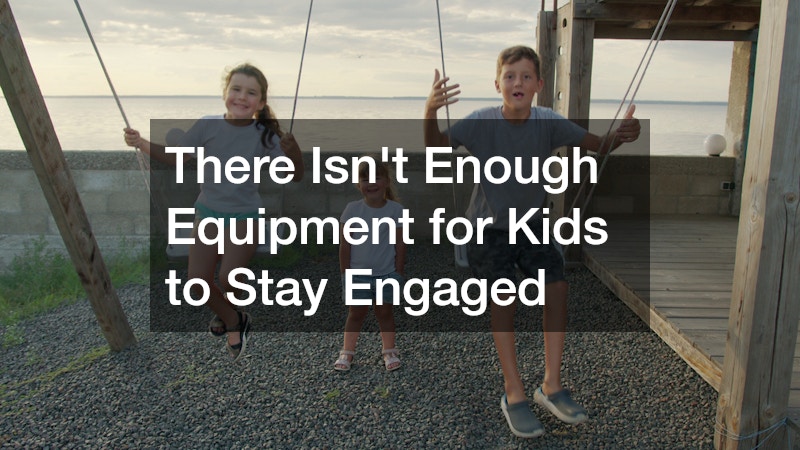
Kids lose interest in a backyard fast if there’s nothing new or challenging to do out there. A single swing set gets boring after a week, and without fresh activities, screens will always win. Rather than buying every item outright, many families turn to equipment rental services for things like bounce houses, giant yard games, or water slides, which keeps the novelty high without cluttering the garage the rest of the year. Rotating in rented equipment every few weeks can keep kids genuinely excited to go back outside.
This approach also works well for special occasions, since renting rather than buying means you can scale up for a big party and scale back down for a normal weekend. It’s a practical way to test what your kids actually enjoy before committing to a permanent purchase. Over time, you’ll get a clear sense of which activities are worth buying outright.
Younger Kids Have No Structured Outdoor Learning Time
For families with toddlers or young children, an empty backyard often reflects a missing routine rather than a design flaw. A preschool or pre-k program typically builds structured outdoor time into the day, and kids who are used to that rhythm may not know what to do with unstructured backyard time at home. Recreating a similar structure with simple activities like a sandbox station, a chalk drawing zone, or a small garden bed can help translate that classroom energy into home life. Consistency is what makes kids treat the backyard as a real part of their day rather than an occasional novelty.
- Set a consistent outdoor time block, similar to a school schedule
- Rotate two or three simple stations weekly to maintain novelty
- Use a timer or visual schedule so kids know what’s expected outside
- Involve older siblings in leading younger kids through outdoor activities
Teens and Older Kids Lack a Reason to Stay Outside
While younger kids need structure, teens usually need a purpose. A basketball hoop or a simple net can go a long way, and for families serious about a specific sport, local tennis academies often offer summer clinics that give teens a reason to practice at home between lessons. Setting up a modest practice zone, even just a section of pavement with a net, gives teens a reason to be outside that doesn’t feel forced. The goal is connecting whatever skill they’re building elsewhere to something they can reinforce in the yard.
Social incentives matter too. Teens are far more likely to spend time outside if friends are involved, so a firepit, a speaker, or a simple cornhole set can be enough to shift an evening outdoors instead of into a bedroom. Small, low-cost additions often outperform expensive renovations when it comes to actually pulling teenagers outside.
Nobody Is Celebrating Outdoor Milestones or Events
Backyards often get used most heavily around a specific event, like a graduation party or a birthday, and then go quiet again once the occasion passes. The rest of the summer, the space just sits there, waiting for the next “big enough” reason to justify pulling out the chairs and lighting the grill. Building small celebrations into your summer, rather than saving the yard for one big event, keeps the space active more consistently.
Think in terms of low-effort milestones instead of full-blown parties: the first tomato of the season, a kid’s lost tooth, finishing a good book, or simply making it to Friday. None of these require much planning, but treating them like something worth marking gives the yard a reason to get used on a random Tuesday instead of once every six weeks.
A quick stop at a card store for invitations or thank-you notes can turn an ordinary Saturday cookout into something that feels intentional and worth showing up for. Even a handwritten note dropped off to a neighbor, inviting them over for lemonade at 5pm, signals that the gathering matters enough to plan around. That small bit of formality is often what separates an event people remember from one they forget they were invited to.
Even informal gatherings benefit from a little ceremony, since it gives people a reason to actually plan around the space. A simple ritual, like toasting the end of the workweek every other Friday or keeping a running tally of summer “firsts” on a chalkboard by the patio, adds enough structure that the backyard starts to feel like part of the routine rather than an afterthought.
- Schedule a small outdoor gathering once a month through the summer, and mark the dates on a shared calendar so everyone plans around them instead of over them
- Use printed invitations to make casual events feel more anticipated, even something as simple as a postcard on the fridge for a family-only night
- Rotate hosting duties among family members to keep momentum going, so no one person handles all the setup, cooking, and cleanup every time
- Pair gatherings with a theme, like a taco night or backyard movie evening, to give the event a clear identity and make it easier to plan food and decor
- Keep the guest list small for early events, four to six people is often enough to build the habit without the pressure of a big party
- Celebrate minor milestones too, like the first warm weekend or a kid’s last day of school, not just birthdays and holidays
There Is No Personal Touch Making the Space Feel Like Yours
Sometimes a backyard sits empty simply because it doesn’t feel personal or fun yet, especially for kids who want a sense of ownership over the space. A patio with nice furniture is still just a patio if nobody feels like it belongs to them. What turns it into “our spot” is usually something small and symbolic, not another purchase from the garden center.
Something as simple as a custom hoodie made for a family camping night or a backyard “club” can create a sense of identity and excitement around outdoor time. Kids especially respond to naming things: the “Saturday Night Fire Pit Crew” or the “Backyard Explorers Club” feels like an actual event when there’s a hoodie, a badge, or even a hand-drawn logo attached to it. That five-minute craft project of designing a family emblem can do more for engagement than an expensive swing set.
Personalized touches, whether it’s team colors for a backyard game, matching gear for a family movie night outside, or nicknames stitched onto folding chairs, give people an emotional reason to show up. These markers don’t need to be expensive; a $15 iron-on patch or a shared water bottle design accomplishes the same psychological trick as a $150 custom kit. The goal is recognition, not luxury.
It sounds minor, but small identity markers are often what turn a one-time activity into a recurring tradition. Once a space has a name, a uniform, or an inside joke attached to it, people start asking when the next session is instead of waiting to be convinced to go outside.
Think about the last time you walked into a friend’s backyard and immediately felt like you were “somewhere.” Maybe it was the string lights zigzagging overhead, a small chalkboard sign pointing toward the drink station, or music playing low in the background. Those small details tell your brain this space is different from the kitchen or living room, and that shift matters more than people realize.
This same principle applies to signage, string lights, or a designated “yard playlist” that signals it’s time to head outside. Even simple touches — a hand-painted address marker, a bin labeled “sunscreen and bug spray,” or a chalkboard listing the day’s drink specials — give the space a sense of intention. Lighting is especially powerful here: warm-toned bistro lights or a few lanterns can transform a plain patio into something that feels curated after dark.
The goal is making the backyard feel like an event space with its own identity, not just an extension of the house that people forget about. Consider rotating a few elements seasonally, like swapping string lights for a fire pit setup in the fall, so the space never feels static. Even a consistent scent, like citronella candles or a potted herb garden, can become part of that identity over time.
Once a space feels special, people naturally want to spend more time in it. When a backyard has its own personality, distinct from the rest of the house, it stops being an afterthought and starts becoming the place everyone gravitates toward without needing to be asked twice.
An empty backyard is rarely about laziness or bad luck, it’s almost always a combination of scheduling gaps, comfort issues, and missing reasons to go outside. Start by identifying which of these factors applies most to your household, then make one small change this week rather than trying to fix everything at once. Whether that means booking a shade structure, calling about equipment rental, or simply setting a weekly outdoor night, small consistent steps add up fast. By the end of the summer, that quiet backyard could easily become the busiest room in your house.