

Cleanup time in most homes sounds like a negotiation at the United Nations. Someone can’t find the lid. Someone else insists the markers belong in the craft bin, not the art drawer. A third person is holding a stuffed animal and asking, with genuine confusion, where it lives. Minutes tick by, patience thins, and the “quick tidy” turns into a forty-minute standoff.
The fix isn’t a bigger bin or a stricter rule. It’s labels. Clear, visible, honest labels that tell every member of the household exactly where something belongs, without anyone having to ask. When the system does the thinking, cleanup gets faster, kids get more independent, and the whole house stops feeling like a scavenger hunt.
This walkthrough breaks down how to build a labeling setup from scratch, step by step. You’ll learn what to label first, how to choose formats that actually stick, and how to make the whole process feel more like a game than a chore. No fancy label maker required.
Why Labels Change the Cleanup Game
Before you buy a single sticker, it helps to understand why labels work so well. When items don’t have a clearly marked home, every cleanup requires a decision. Multiply that by fifty objects on the floor and you’ve got decision fatigue before you even start.
Labels remove the guesswork. They turn “where does this go?” into “oh, that one.” And the payoff is bigger than you might think. According to Oh So Spotless, the average American loses around 60 hours each year hunting for misplaced items, with households collectively spending about $2.7 billion replacing things they simply couldn’t find. A labeled bin is a small investment that reclaims real time.
There’s a mental payoff too. According to Flourish Living, an organized space can lower cortisol levels and sharpen focus, which means cleanup isn’t just about appearances. It’s about making the whole house feel calmer to live in.
Step One: Audit Before You Label
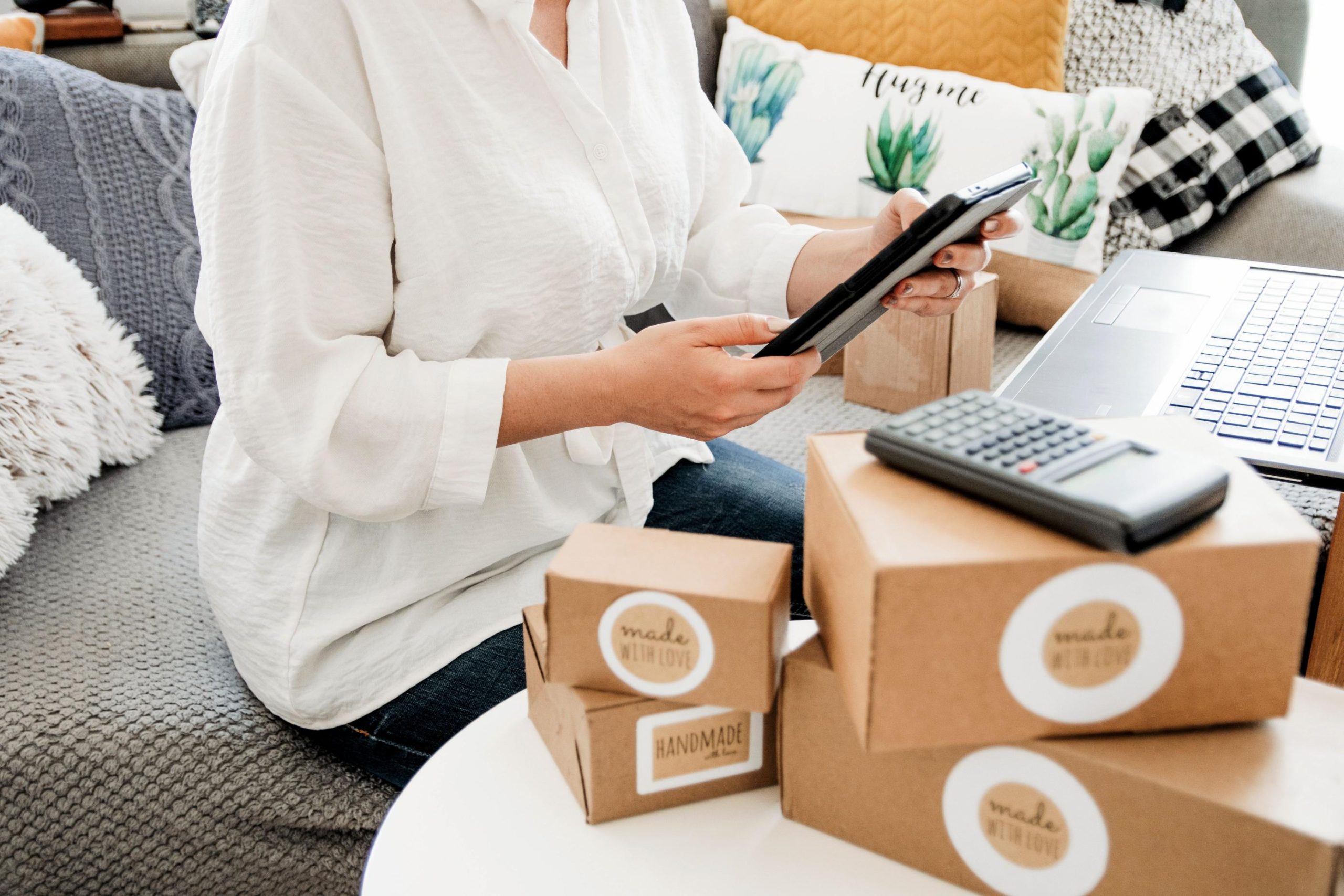
Don’t start with a label maker. Start with a notebook. Walk through each room and jot down the categories of stuff that actually exist in your home, not the ones you wish existed. “Art supplies” might really be “markers, crayons, stickers, and that one weird glitter pen.” Be specific.
Then rank each category by how often it comes out. The things that get used daily need the easiest-to-read labels and the most accessible spots. Seasonal or rarely used items can live higher up with simpler tags.
Here’s a quick audit checklist to run through as you walk each room:
- What items end up on the floor most often at the end of the day?
- Which containers currently have no label, or a wrong one?
- What does each family member actually call this stuff (toddler words count)?
- Are there “mystery bins” nobody has opened in months?
- Where do you keep losing the same item over and over?
This audit gives you a realistic map. Without it, you’ll end up labeling things you don’t need and ignoring the chaos zones that cause the most friction.
Choosing a Label Style That Matches Your Household
Not every label works for every home. A household with early readers needs a different approach than one with teens. Start by matching the format to the people doing the cleaning up.
For little kids, pictures do the heavy lifting. Snap a photo of what goes in the bin, print it small, and tape it to the front. For older kids and adults, a word label is faster to scan. For shared spaces, combine both so nobody has an excuse.
Picture Labels for Pre-Readers
If you’ve got a toddler or preschooler, picture labels are a game changer. A photo of three dinosaurs on the front of a bin tells a three-year-old exactly where the dinosaurs live. You can take the photos yourself with a phone, print them at home or at a drugstore, and slide them into a laminating pouch or clear tape sleeve so they survive sticky fingers.
Written Labels for Everyone Else
For readers, keep the text large, bold, and in a font anyone can decode at a glance. Avoid cute handwritten scripts that look great on social media but are hard to read from across the room. Black text on a white or light background wins almost every time.
Low-Cost Supplies That Actually Work
You don’t need to spend a fortune to build a solid labeling system. In fact, part of the appeal is how cheaply it comes together. According to Declutter101, a full set of nine budget organizers can be pulled together for around $77 total and cover every major room in the house. That’s a tiny investment for something you’ll use every day.
Here are the supplies that give you the best return without the sticker shock:
- Masking tape or painter’s tape plus a permanent marker (the cheapest starter kit)
- Chalkboard labels with a chalk marker for bins you may re-sort later
- Clear packing tape to laminate paper labels for durability
- A basic label maker if you want uniform text and don’t mind spending more
- Printable sticker sheets for picture labels
- Binder clips with tags, perfect for fabric bins where stickers won’t stick
Mix and match based on the surface. Fabric bins reject stickers. Plastic bins love them. Wire baskets do best with tag-and-string setups. If you’re folding this into a broader refresh and looking for budget friendly home decor ideas, pick label styles that match your existing bins so the whole room still feels intentional rather than patched together.
Making Cleanup Actually Fun for Kids
Here’s where the system shifts from “chore” to “game.” Once bins are labeled, cleanup stops being a parent-led operation and becomes something kids can do on their own. That independence is the fun part for them, and the quiet part for you.
Try turning cleanup into a timed challenge. Set a five-minute timer and see how many labeled bins each kid can fill correctly. Play music and make the last song the “finish line.” Rotate who gets to be the “label inspector,” checking that items made it to the right home. Small rituals turn a dull task into something kids look forward to.
A few ways to add play without adding chaos:
- Color-code bins by kid, then race to sort by color
- Hide a sticker under one random item each week as a surprise reward
- Let kids design or decorate their own labels for personal bins
- Use a visual checklist on the wall they can tick off themselves
- Create a “mystery bin” for anything without a clear home, sorted together on Sundays
The more ownership kids have over the system, the more they’ll use it. Labels give them a reason to feel capable, not managed.
Keeping the System Alive in Well-Organized Homes

A labeling system isn’t a one-and-done project. Life changes. Kids grow. Hobbies come and go. The markers you labeled last spring may have been replaced by a slime kit by fall. That’s not failure, it’s just how households work.
Plan a quick quarterly check-in. Walk the same path you took during your original audit and ask what’s changed. Are there bins nobody uses anymore? Categories that have outgrown their container? Labels that have faded or fallen off? Spend twenty minutes updating and you’ll save hours over the next three months.
This matters because clutter sneaks back in fast. According to DDH Home Organizing, more than 8 in 10 Americans feel they own too much stuff, and almost 7 in 10 admit to an active clutter problem at home. Labels alone won’t solve that, but they’ll make it obvious when a category is overflowing, which is usually the first sign it’s time to thin things out. Tidy Homes tend to stay that way not because the people in them are naturally neat, but because the systems underneath them keep sending clear signals.
Letting the Labels Teach Decluttering
Here’s a subtle benefit nobody talks about. When every category has a clear container with a label, you can see the moment something stops fitting. If the “cars” bin is overflowing and spilling onto the floor every night, the bin isn’t the problem. It’s time to donate, rotate, or retire. The label defines the boundary, and the boundary does the decluttering for you. This is one of those household strategies that works especially well in homes with active kids, where turnover of toys and gear is constant.
Conclusion
A good labeling system is one of the highest-impact, lowest-cost upgrades you can make to how your household runs. It turns cleanup from a negotiation into a routine, gives kids the independence to pitch in without being micromanaged, and quietly keeps clutter in check without constant interventions.
Start small. Audit one room, pick a label style that matches the people who’ll use it, and grab a handful of inexpensive supplies. Then build from there. The goal isn’t a magazine-worthy pantry.